
If your CCTV camera system has been running quietly in the background for years without anyone really looking at it critically, there is a good chance it is working a lot harder than it should be just to keep up. Aging camera systems do not always fail dramatically. More often, they just slowly become less useful until one day you realize the footage from last night is too blurry to make out a face, or a camera has been offline for weeks and nobody noticed. We have seen this play out in commercial buildings, schools, and financial institutions all across Denver, Colorado Springs, Fort Collins, Boulder, and Lakewood, and the pattern is almost always the same: the system outlived its usefulness long before anyone decided to replace it.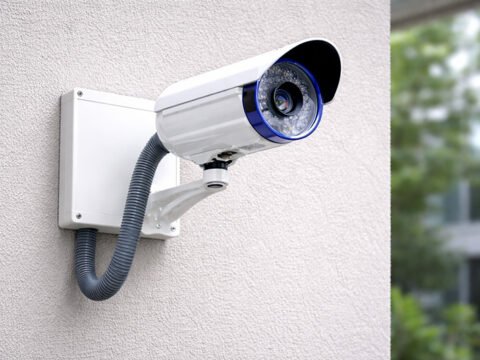
Here is how to tell when your system has genuinely crossed that line.
The Image Quality No Longer Meets Your Needs
This is the most obvious sign, and still the most commonly ignored one. Standard-definition cameras made sense when that was the industry standard. Today, if your footage cannot clearly capture a license plate in a parking lot or identify a person in a hallway, the system is not doing its job. Modern surveillance depends on resolution, and if you are squinting at grainy screenshots when you need them most, the cameras themselves are the problem.
Low-light performance matters just as much. Older cameras that produce washed-out or completely black images after hours are a serious liability. If your business operates in the evening or overnight, and most commercial properties do to some extent, your cameras need to perform consistently across lighting conditions.
You Are Spending More Time and Money on Maintenance
Replacement parts for older systems become harder to source as manufacturers phase out product lines. If your technician is spending real time hunting down compatible hardware, or if you are patching together a system with mismatched components, the cost of maintaining the old system is quietly overtaking the cost of replacing it. We see this especially in larger installations where even a few outdated cameras create compatibility headaches across the whole network.
Frequent failures, cameras going offline without explanation, and recording gaps are all signs that the infrastructure underneath the system is tired. A well-installed system should be largely hands-off between scheduled maintenance visits.
Your System Cannot Integrate With Modern Technology
Older analog CCTV systems were built in an era before cloud storage, mobile access, and centralized management dashboards were even options. If you cannot pull up live footage on your phone, receive alerts when motion is detected in a restricted area, or easily manage camera permissions for different staff members, you are missing capabilities that most organizations now consider standard.
Integration with access control is a particularly important benchmark. A camera system that cannot communicate with your door access logs or alert system creates blind spots in your overall security posture. For the schools, government facilities, and commercial buildings we work with throughout the Front Range and surrounding areas, that kind of integration is no longer optional; it is expected.
Your Business Has Changed but Your Camera Coverage Has Not
Renovations, expansions, staff changes, and new compliance requirements all affect where cameras need to be and what they need to cover. If your camera layout was mapped out years ago for a space or operation that looks nothing like what you have today, there are almost certainly gaps in coverage you have not accounted for. A system audit is often the right first step, and it will usually surface issues that are not immediately visible from the outside.
What a Modern Upgrade Actually Looks Like
Replacing an outdated CCTV camera system is not just about swapping hardware. It means designing coverage that fits your current space and risk profile, choosing cameras built for your specific lighting and environmental conditions, and making sure everything is cabled and configured correctly from the start. As an authorized Verkada solutions provider with nearly three decades of experience in low-voltage technology, we take a thorough approach to every installation, from the initial site assessment through final commissioning.
We work with commercial clients in Denver, Colorado Springs, Fort Collins, Boulder, Lakewood, and surrounding communities across Colorado’s Front Range and Mountain areas. Whether you are managing a single location or a multi-site portfolio, we can help you figure out where your current system stands and what a practical upgrade path looks like.
If you are not sure whether your system is due for a refresh or just needs some attention, give us a call or drop us an email. We are happy to talk it through with you.