
Commercial security systems work best when they stop being treated as separate pieces and start functioning as one connected whole. Access control, video surveillance, and structured cabling are often purchased and installed in silos, but when they are designed to work together from the start, the result is something much more reliable, easier to manage, and far more effective at protecting a facility. Here is how these three layers actually relate to each other, and why that integration matters for your building.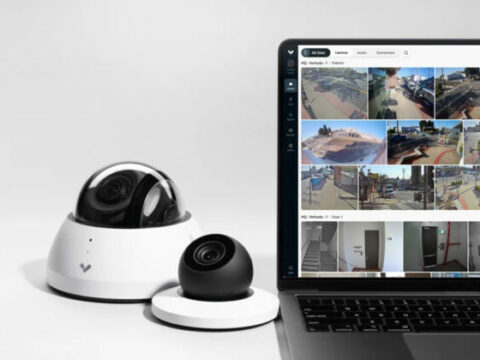
Access Control: More Than Just a Door Lock
Modern access control does a lot more than decide who gets through a door. A well-designed system logs every entry and exit attempt, integrates with employee directories, and can be managed remotely across multiple locations. For organizations like schools, financial institutions, and government facilities, that kind of granular control is not optional; it is a compliance and safety requirement.
What most people do not think about is how access control depends on the rest of your infrastructure. The readers, controllers, and management software all need reliable network connectivity to function properly. If the cabling or network backbone is inconsistent, you end up with door readers that go offline, delayed alerts, or gaps in your access logs. That is a problem we see fairly often when we are brought in to troubleshoot systems that were installed without a full infrastructure review.
Camera Systems: Only as Good as Their Connection
Video surveillance has changed significantly over the past decade. IP-based cameras, cloud-managed platforms, and high-resolution imaging have replaced older analog setups in most commercial environments. Those advances are genuinely useful, but they put real demands on your network. A high-resolution camera system pulling footage continuously needs solid, dedicated bandwidth and a structured cabling plan that accounts for that load.
We are an authorized Verkada solutions provider, and one of the reasons we work with their platform is that it simplifies management considerably, especially for organizations running cameras across multiple sites in Denver, Fort Collins, Boulder, or beyond. But even the best camera platform will underperform if the physical layer underneath it is not sound. Cameras installed on a network that was not designed for that traffic will drop frames, fail to record reliably, or create bottlenecks that affect other systems in the building.
There is also the integration piece. When access control and cameras are connected, an access event can automatically trigger a camera to record. If someone badges into a restricted area, the system can log the entry and pull the corresponding video clip, all without anyone manually reviewing hours of footage. That kind of workflow saves real time during incident investigations.
Structured Cabling: The Foundation Everything Else Runs On
Cabling is the part of a commercial security system that nobody sees, and that is exactly why it tends to get underestimated. After nearly 30 years of working on structured cabling projects across Colorado’s Front Range and Mountain Communities, including projects in Colorado Springs, Lakewood, and surrounding areas, we have seen firsthand what happens when cabling is treated as an afterthought. Access control goes offline at inconvenient moments. Camera feeds cut out. Wireless access points drop connections in parts of the building that seem inexplicably dead.
A properly designed cabling infrastructure accounts for current needs and leaves room to grow. If you add cameras two years from now, or expand your access control to additional floors, the backbone should be able to handle it without a full re-pull. That kind of planning at the front end saves a significant amount of money and disruption later.
Why Integrated Design Matters
The reason these three systems work better together is simple: they share infrastructure. Access control readers, IP cameras, wireless access points, and the software platforms that manage them all depend on the same physical network. When one team designs and installs all of it with a unified plan, there are no surprises about bandwidth allocation, no finger-pointing between separate contractors when something does not work, and no gaps in the documentation.
We have been doing this kind of integrated work since the late 1990s, serving commercial clients in Denver, data centers on the Front Range, school districts, and everything in between. Our approach is enterprise-level in terms of quality, but we are not a massive company where your project gets handed off to whoever is available. You work with people who know your site and your system.
If you are planning a new build, a renovation, or just trying to figure out why your current setup is not performing the way it should, we are glad to talk it through. Give us a call or drop us an email and we will help you figure out what makes sense for your facility.